Get Japanese Knotweed Control in Dallas, TX
Property owners in Dallas, TX, can find local contractors who specialize in removing Japanese Knotweed to prevent property damage, clear land, and ensure safe development projects.
Property owners in Dallas, TX, facing the challenge of Japanese Knotweed often seek practical solutions to protect their land and enhance their property's value. This invasive plant can cause significant damage to foundations, fences, and landscaping if not properly managed. Exploring local contractors with experience in knotweed control can help develop effective strategies tailored to the unique conditions of the Dallas area, ensuring that the work is handled efficiently and thoroughly.
Comparing service providers in the region allows property owners to find experienced local contractors who understand the specific considerations involved in Japanese Knotweed management. Whether planning a landscape renovation or addressing potential structural concerns, connecting with qualified professionals can support informed decision-making and successful project outcomes. Continuing to explore options ensures that property owners can identify the most suitable solutions for their needs.
- Residential Property Cleanup - homeowners in neighborhoods like Highland Park or Lakewood may need this work to remove invasive Japanese Knotweed from their yards.
- Commercial Site Management - businesses in urban areas such as Downtown Dallas might require control services to prevent knotweed from spreading on their land.
- Property Renovation Projects - property developers working on land in areas like North Dallas may need to address Japanese Knotweed before construction begins.
- Landscaping and Garden Maintenance - gardeners or landscapers in suburbs like Plano or Garland may need to manage knotweed growth around trees and flower beds.
- Environmental Clearance and Compliance - local contractors can assist property owners in meeting regulations when Japanese Knotweed is discovered on their land.
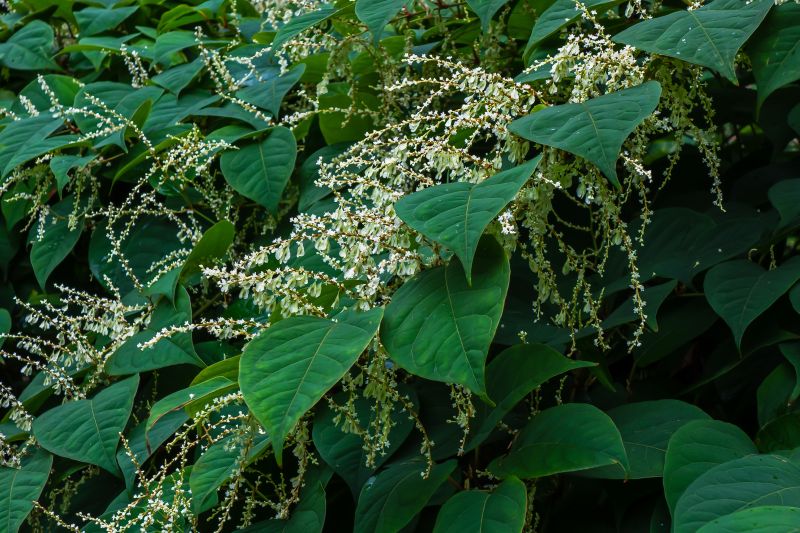
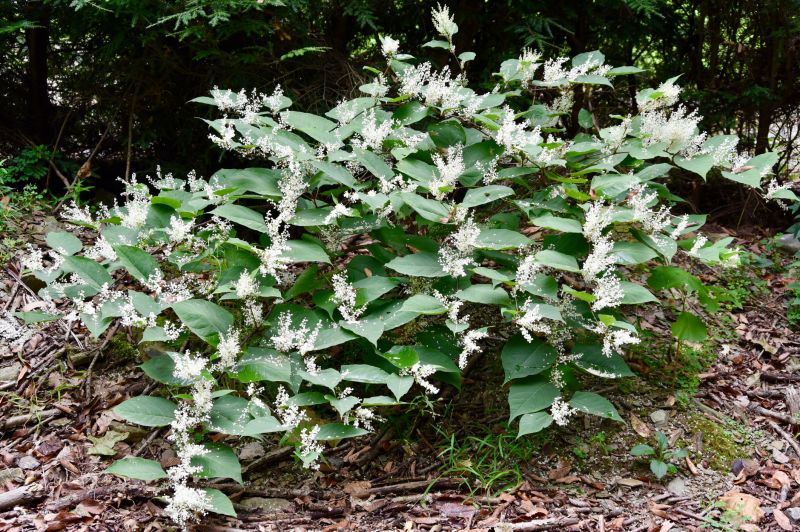
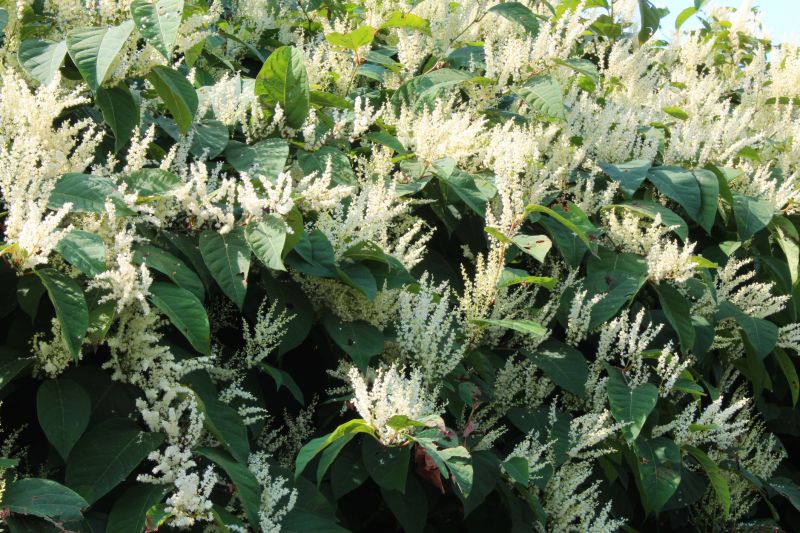
Japanese Knotweed control services involve specialized methods to identify, remove, and manage this invasive plant. The process typically begins with a thorough assessment of the affected property to determine the extent of the infestation. Once identified, trained contractors implement targeted removal techniques, which may include physical removal, herbicide treatments, or a combination of both. The goal is to eradicate the plant’s persistent roots and rhizomes, preventing it from regrowing and spreading further. Proper disposal of the removed material is also a key part of the service to ensure the knotweed does not re-establish itself elsewhere.
This service helps resolve a range of property problems caused by Japanese Knotweed. The plant’s aggressive growth can cause structural damage to foundations, walls, and pathways by exerting significant pressure as it spreads underground. It can also interfere with drainage systems and compromise the stability of retaining walls. For homeowners, unchecked knotweed may lead to reduced property value or complications when trying to sell or remortgage. Addressing a knotweed problem promptly can help prevent costly repairs and protect the integrity of the property.
Japanese Knotweed control is often sought by homeowners dealing with visible, dense patches of the plant or those discovering it near their homes or gardens. It is common for properties experiencing unexplained subsidence or damage to structures to be assessed for knotweed presence. Additionally, properties with land development plans or those near water sources may require professional removal to comply with regulations and prevent future issues. This service is suitable for residential properties of all sizes, especially those where the plant’s invasive nature threatens to cause significant damage or reduce land usability.
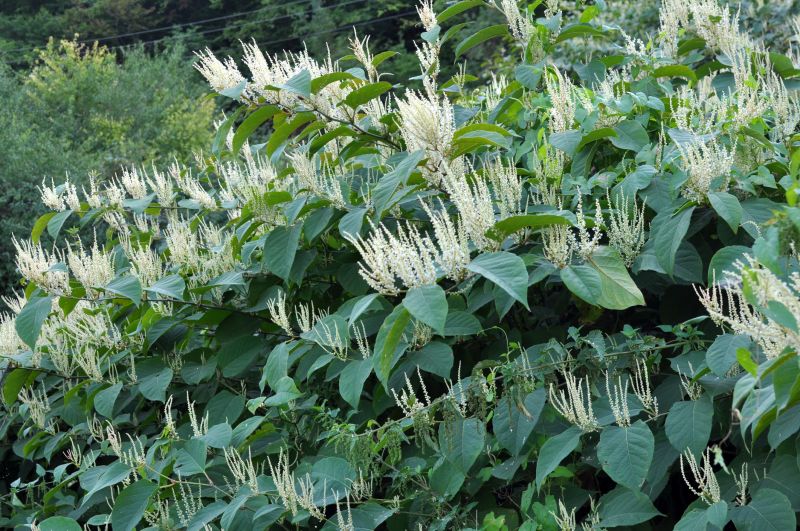
Property owners who notice rapid, relentless growth of a tall, bamboo-like plant in their yard may need knotweed control services. This invasive species can quickly dominate garden spaces, making it difficult to maintain other plants or use the land as intended. It often appears as dense, leafy patches with hollow stems and can grow several feet tall within a single season. When knotweed spreads close to structures, pathways, or utility lines, professional removal becomes essential to prevent further encroachment and protect the property’s value. Local contractors experienced in knotweed control can provide effective solutions tailored to each property’s specific needs.
The overview below groups typical Japanese Knotweed Control projects into broad ranges so you can see how smaller, mid-sized, and larger jobs often compare in Dallas, TX.
In many markets, a large share of routine jobs stays in the lower and middle ranges, while only a smaller percentage of projects moves into the highest bands when the work is more complex or site conditions are harder than average.
Smaller Removal Jobs - Typical costs for removing small patches of Japanese Knotweed generally range from $250 to $600. Many routine jobs fall within this middle range, depending on the extent of infestation and site accessibility. Fewer projects reach into the higher end of this spectrum.
Moderate-Scale Treatments - For larger areas or more persistent infestations, local contractors often charge between $1,000 and $3,000. These projects are common for properties with moderate knotweed spread that require more extensive treatment methods.
Extensive Control Projects - Large-scale or heavily infested sites can cost $3,500 to $5,000 or more. Such projects are less frequent but necessary for comprehensive removal across large properties or commercial sites.
Full Site Remediation - Complete removal and site restoration services typically range from $5,000 to $10,000+. These are complex projects that involve thorough excavation, treatment, and landscaping, often utilized for high-value or sensitive locations.
Actual totals will depend on details like access to the work area, the scope of the project, and the materials selected, so use these as general starting points rather than exact figures.
Invasive Plant Removal - professionals experienced in removing invasive species like Japanese Knotweed often use similar excavation and herbicide techniques to control unwanted plants.
Landscape Restoration - landscape contractors familiar with site clearing and soil remediation can assist in restoring areas affected by knotweed removal projects.
Foundation and Structural Clearing - contractors who handle foundation excavations and structural clearing have skills applicable to managing knotweed near building foundations.
Soil Treatment and Remediation - specialists in soil treatment utilize comparable methods to eliminate persistent plant infestations such as Japanese Knotweed.
Drainage and Water Management Projects - experts in drainage solutions often work on site preparation tasks similar to those needed for effective knotweed control.
Property Demolition and Clearing - demolition crews experienced in clearing overgrown or infested sites have skills relevant to removing Japanese Knotweed from properties.
When evaluating Japanese Knotweed control services, it’s important to consider the experience of local contractors with similar projects. Homeowners should look for service providers who have a proven track record in managing invasive plant species like Japanese Knotweed, especially on properties comparable to their own. Asking about past work can provide insight into how familiar the contractor is with the specific challenges and best practices for effective removal or management in the local area.
Clear, written expectations are essential for a successful project. Homeowners should seek out service providers who can provide detailed descriptions of their proposed approach, including the methods they plan to use, the scope of work, and any necessary follow-up steps. Having these expectations documented helps ensure everyone is aligned and minimizes misunderstandings about what the project will entail.
Reputable references and effective communication are key indicators of a trustworthy contractor. Homeowners can ask for references from previous clients who had similar work done, and should consider how responsive and transparent the service provider is during initial discussions. Good communication fosters confidence and ensures that homeowners are kept informed throughout the process. It’s important to remember that this site functions as a resource to connect property owners with local contractors, not as a provider of the services themselves.
Property owners in Dallas, TX use Japanese Knotweed Control services for practical projects around their homes and businesses. This guide focuses on everyday jobs and straightforward project options.
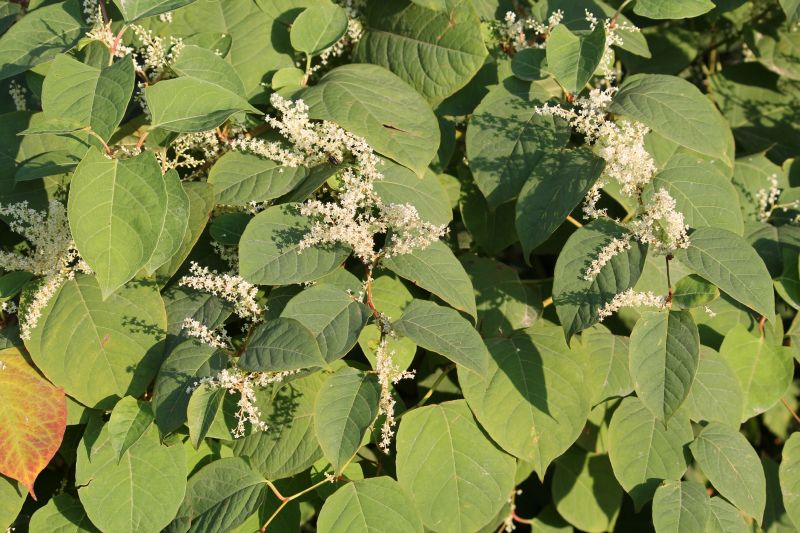

Japanese knotweed can quickly become a concern for property owners in Dallas, TX, especially when it begins to spread across yards, garden beds, or near foundations. Homeowners planning to sell their property or undertake renovations might seek professional control services to prevent the plant from causing structural damage or reducing property value. Additionally, those noticing rapid growth or signs of the plant’s invasive nature may look for local contractors who specialize in identifying and safely removing Japanese knotweed to maintain the integrity of their landscape.
In many cases, property owners are motivated to find local service providers when they want to address the presence of Japanese knotweed before it becomes a larger problem. Whether dealing with a new infestation or ongoing growth, residents often seek experienced contractors who can evaluate the situation and recommend effective removal methods. These professionals can help ensure that Japanese knotweed does not interfere with property development, landscaping plans, or legal property requirements in the Dallas area.
What is Japanese Knotweed and why is it a concern? Japanese Knotweed is an invasive plant that can cause damage to building foundations, walls, and underground utilities if left uncontrolled.
How do local contractors typically control Japanese Knotweed? They often use methods such as herbicide treatment, excavation, or a combination of both to manage and remove the plant effectively.
Is professional removal necessary for Japanese Knotweed? Due to its invasive nature and potential property damage, professional removal services are recommended to ensure safe and effective control.
What should I look for in a Japanese Knotweed control service provider? It's important to find experienced local contractors who specialize in invasive plant management and follow proper disposal procedures.
Can Japanese Knotweed be completely eradicated? While complete eradication can be challenging, professional treatments significantly reduce the plant’s presence and help prevent regrowth.
Assessing Property Risk - Property owners can have local contractors evaluate their land for Japanese Knotweed presence to identify potential issues early.
Site Clearance and Preparation - Local service providers can assist with removing invasive plants before starting construction or landscaping projects.
Preventative Landscaping Solutions - Homeowners can work with local experts to create garden plans that minimize the risk of knotweed spreading to surrounding areas.
Regular Monitoring and Maintenance - Property owners can schedule ongoing inspections with local contractors to keep invasive plants under control over time.
If you are thinking about Japanese Knotweed Control for a property in Dallas, TX, this guide is meant to help you understand the work, the typical project types, and how different options might fit your plans.
When you are ready, you can use the quote form on this page to share a few details about your project. From there, local pros can review the basics and respond with options that match what you have in mind.